
Understanding Your Oil Change: Why It Matters & When To Do It
Learn why oil changes are critical for engine health. Discover oil types, change intervals, and how regular oil changes save money and extend vehicle life.
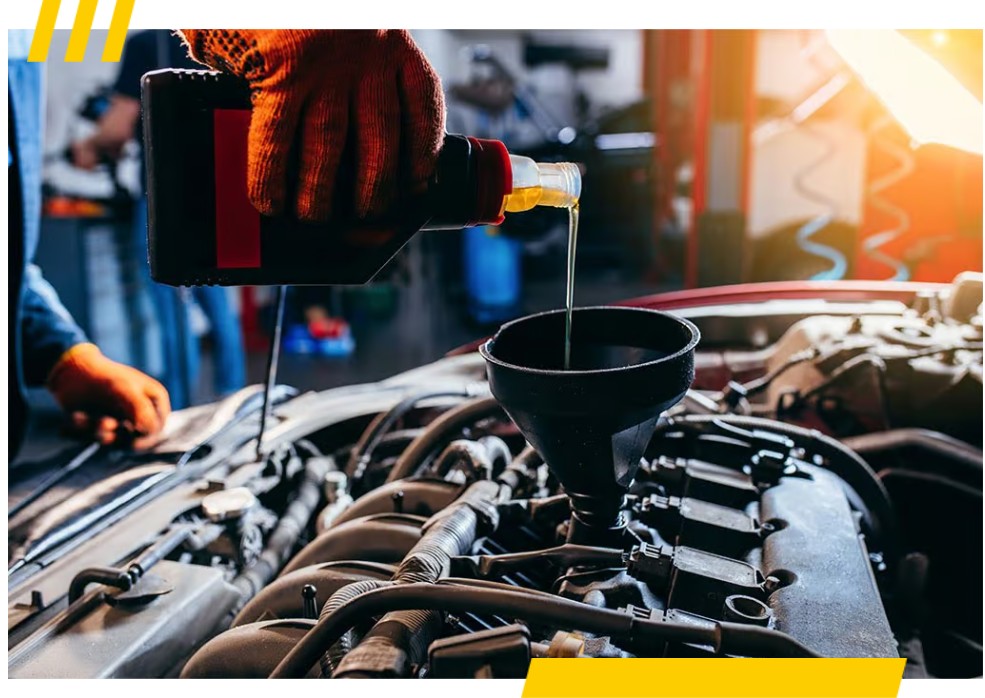
Oil change being performed, clean vs dirty oil
Excerpt:
Oil changes are one of the most important maintenance tasks. Regular oil changes keep your engine clean, protected, and running smoothly. Here's what every vehicle owner should know.
Full Content:
Introduction:
Oil is the lifeblood of your engine. It lubricates moving parts, cools components, removes contaminants, and protects against corrosion. Neglecting oil changes leads to engine sludge, wear, and eventually, catastrophic failure. Let's explore everything you need to know about oil changes.
What Does Engine Oil Do?
1. Lubrication
- Reduces friction between engine parts
- Prevents metal-to-metal contact
- Enables smooth, efficient operation
2. Cooling
- Absorbs heat from engine components
- Circulates to radiator for cooling
- Prevents overheating and damage
3. Cleaning
- Suspends contaminants and sludge
- Carries particles to oil filter
- Keeps engine clean internally
4. Protection
- Prevents rust and corrosion
- Seals gaps between piston rings and cylinder walls
- Protects against acid buildup
5. Performance
- Improves fuel efficiency
- Reduces emissions
- Extends engine life
Oil Types & Grades
Conventional Oil:
- Mineral-based, refined from crude oil
- Typical change interval: Every 3,000-5,000 miles
- Less expensive
- Good for older vehicles
Synthetic Oil:
- Laboratory-engineered, superior performance
- Typical change interval: Every 7,500-10,000 miles
- More expensive upfront
- Better in extreme temperatures
Synthetic Blend:
- Combination of conventional and synthetic
- Typical change interval: Every 5,000-7,500 miles
- Mid-range cost
- Good balance of performance and price
High Mileage Oil:
- Formulated for vehicles over 75,000 miles
- Contains extra additives
- Helps prevent leaks in older engines
- Change interval: Every 5,000-7,500 miles
How Often Should You Change Your Oil?
Check Your Owner's Manual: Modern vehicles have different requirements. Your manual specifies:
- Oil type (conventional, synthetic, etc.)
- Viscosity grade (5W-30, 10W-40, etc.)
- Change interval (3,000, 5,000, 7,500, or 10,000 miles)
General Guidelines:
- Conventional: Every 3,000-5,000 miles or 3-6 months
- Synthetic: Every 7,500-10,000 miles or 6-12 months
- Follow manufacturer recommendation for your vehicle
Warning Signs You Need an Oil Change:
- Low oil level on dipstick
- Dark, dirty oil on dipstick
- Oil change light illuminates
- Engine making unusual noises
- Burning oil smell
The Oil Change Process
Step 1: Warm Up Engine
- Allows oil to flow freely
- Brings contaminants into suspension
Step 2: Drain Old Oil
- Remove drain plug
- Allow complete draining
- Dispose of old oil responsibly
Step 3: Replace Oil Filter
- Remove old filter
- Clean filter mounting surface
- Install new filter with proper torque
Step 4: Add New Oil
- Fill with correct type and amount
- Replace dipstick/filler cap
- Start engine to circulate new oil
Step 5: Check Level
- After running, let settle 5 minutes
- Check dipstick to verify proper level
- Top off if needed
Cost of Regular Oil Changes vs Engine Repair
Regular Oil Changes:
- Conventional: $25-$50 per change
- Synthetic: $50-$100 per change
- Frequency: Every 3,000-10,000 miles
Engine Repair/Replacement:
- Sludge buildup damage: $1,500-$5,000
- Complete engine replacement: $4,000-$8,000+
- Time without vehicle: Weeks
The Math: One oil change costs 1-2% of an engine rebuild. Regular maintenance prevents catastrophic failure.
DIY vs Professional Oil Changes
Professional Service Benefits:
- Proper disposal of old oil
- Expert filter installation
- System pressure checks
- Top-off other fluids
- Inspection for leaks
- Documentation and records
Why Choose Bill's Autoklinic:
- Quick service (30-45 minutes)
- Quality filters and oils
- Fluid top-offs included
- Safety inspection
- Written service record
- Competitive pricing
Conclusion:
Oil changes are preventive maintenance that pays dividends. Regular oil changes keep your engine clean, protected, and running efficiently. It's one of the best investments you can make in your vehicle's longevity.
Schedule Your Oil Change Today
Don't wait for a warning light. Keep your engine healthy with regular maintenance from Bill's Autoklinic.
[Book Appointment Button]